Same-day crisis services will be unavailable from August 3 through August 14. Regular hours and services will resume August 17. If you need urgent support, please refer to our crisis resources.
Imposter syndrome can make you feel like you don’t belong, even when your achievements say otherwise. Learn why self-doubt shows up and how to build confidence and own your success.
Crisis Clinician Fellow Michael Casimiro combines personal experience and research to uncover the unexpected ways gaming can inspire growth, spark creativity, and build connection.
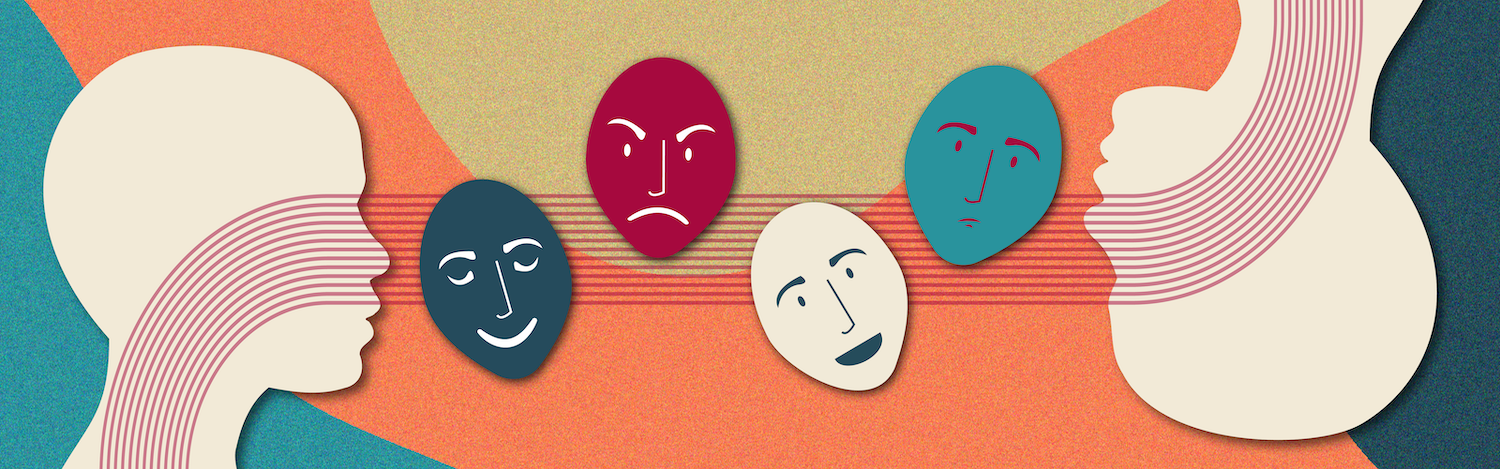
Mental health terms are everywhere online, but are we using them correctly? Clinical Counselor Heather Hurd breaks down how pop psychology can help and mislead when it comes to mental health.
Anxiety is a natural stress response that can worsen when we avoid fears. The Counseling Center explains how gradually facing them can retrain the brain to help reduce anxiety and support healthier coping.
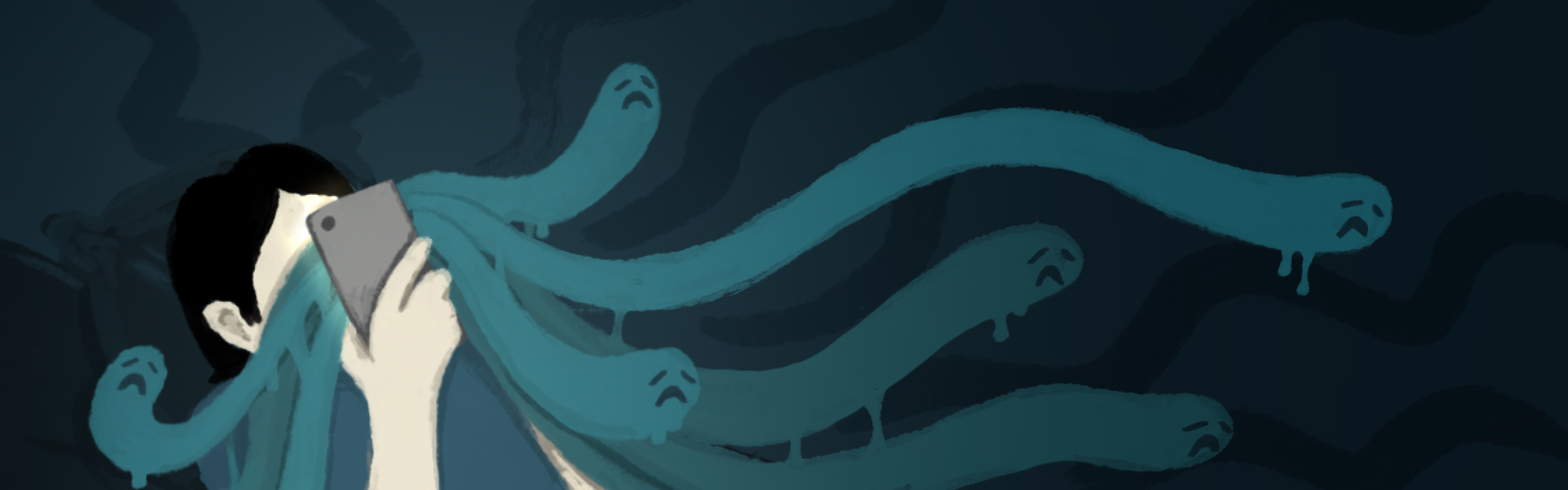
We’re more connected than ever, yet hours of scrolling can leave our brains foggy and anxious. Brain rot is real and it’s shaping how we think and connect. Here’s how to recognize it.
College can be overwhelming, and students may struggle with intense emotions. CU Denver Crisis Counselor Amber Johnston explains why self-injury happens and how to heal and find support.
It's not just about baths, workouts, or taking breaks. Clinical Counselor Heather Aberle explains the importance of setting boundaries, being kind to yourself, and making choices that align with your values.
Do you ever feel like you're always doing more, yet still falling short? Clinical Counselor and Multicultural Specialist Avary Lin-Ye explores the cycle of self-doubt and perfectionism, and offers practical advice to help you reconnect with yourself.
Learn how college students can manage stress and build resilience by focusing on what they can control, such as mindset, time management, and self-care, while letting go of what is beyond their influence.
Feeling drained and unmotivated? The Student and Community Counseling Center has a quick guide to help you spot burnout early and offers simple ways to reset, recharge, and get your motivation back.
Loneliness in college is a very real and valid struggle. The CU Denver Student and Community Counseling Center identifies what might cause college loneliness and how students can combat it.
It's easy to feel overwhelmed as a college student, but the Counseling Center has an exercise to help! Dr. Matt Heermann explains how mindfulness helps reduce stress and improves mental health by focusing on the present without judgment.
Loss comes in different forms. Sometimes the grief that follows gets brushed off, but it is still grief nonetheless. The Counseling Center's Clinical Counselor Heather Hurd explains disenfranchised loss and offers ways to process losing a pet.
Emotional safety is the foundation of any healthy relationship from which trust and security are built. The Student and Community Counseling Center is here to help you identify patterns of people who may or may not be emotionally safe.
It's as scary as it sounds. What is doomscrolling and why do we do it? Crisis Coordinator Amber Johnston discusses how excessive scrolling through negative content affects us mentally and suggests what we can do to conquer the scroll.
The Counseling Center explains how mindfulness and meditation can help us to consolidate the information we're learning more effectively and suggests practices that can help with calmness and relaxation.
Read more about how the transition to Inspire will support your student experience, and what work the Office of Student Success is doing to ensure your time as a CU Denver Lynx is as smooth as possible!
Figuring out your major can be scary, but it doesn't have to be! Academic advising is available to all students and can bring you several steps closer to your degree. Nayzeth Landa shares her story as an undergrad who started out undeclared.
The Counseling Center's Jessica Jaramillo dispels common myths related to suicide, shares signs that might indicate that someone is struggling, and offers guidance on how we can support loved ones and engage in tough conversations.
Self-diagnosis occurs when we assert that we have a mental health condition without confirmation from a professional. There are pros and cons, but it's important to remember that mental health and diagnosis are complex.